Advanced Mini Storage in Zachary, LA | Secure RV, Boat & Climate-Controlled Storage
Does Louisiana Humidity Actually Damage Your Belongings in Storage?
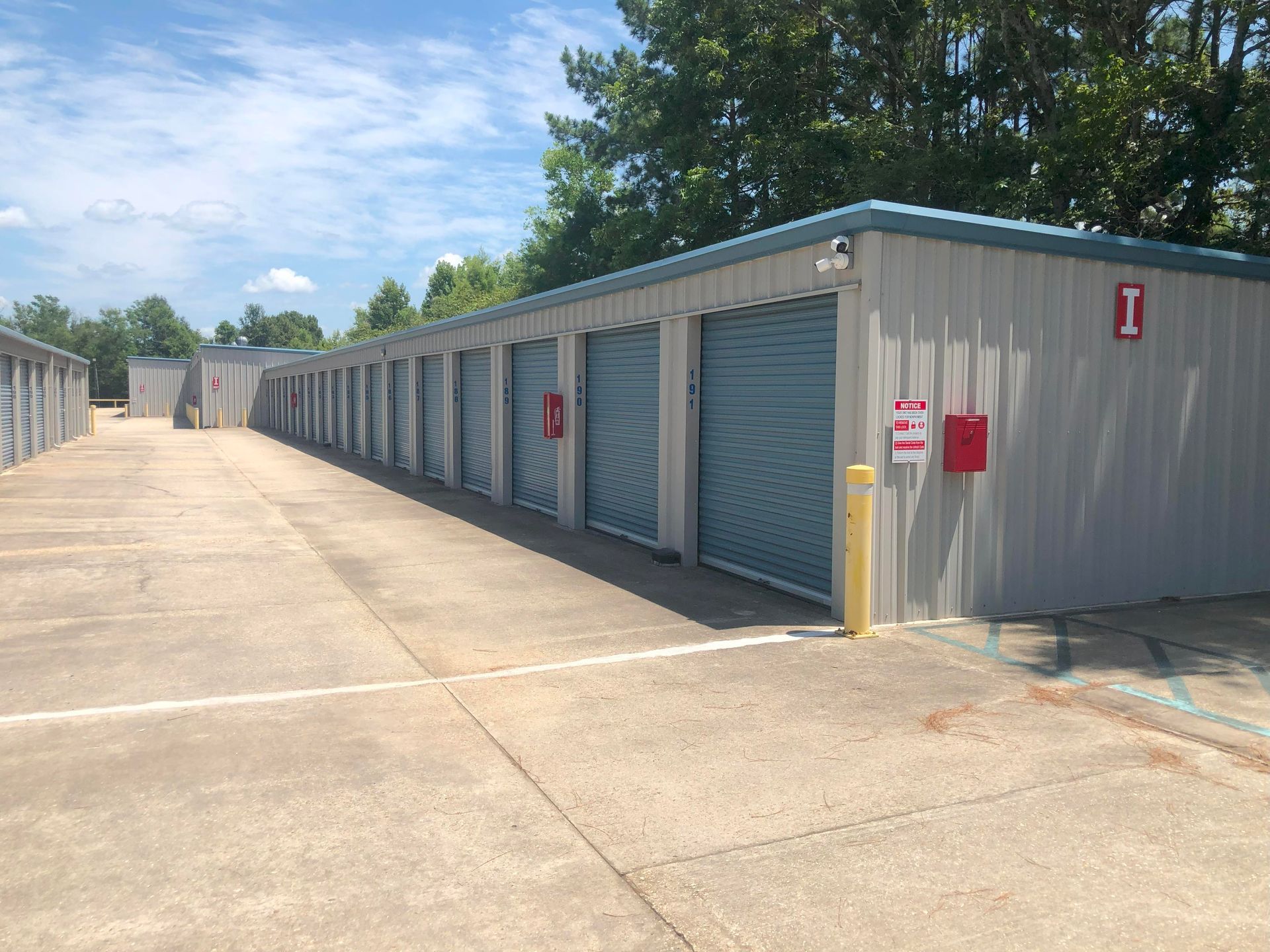
Short answer: yes, it can. Louisiana is one of the more demanding climates in the country for storage, and a lot of people don't find that out until they open their unit after a summer and find warped furniture or a musty smell on everything they own.
Here's what actually happens, what's most at risk, and how to protect your belongings if you're storing in the Zachary area.
What Makes Louisiana's Climate Hard on Stored Items?
The problem isn't just heat. It's the combination of heat and humidity over an extended period. Zachary sits in the middle of a region where summer relative humidity regularly climbs above 80 percent. Inside an uncontrolled storage unit, temperatures can reach well over 100 degrees on a hot day.
That environment creates two problems. Heat accelerates the breakdown of many materials, especially plastics, rubber seals, and adhesives. Humidity introduces moisture that causes swelling, warping, mold, rust, and corrosion. Put those two together and the damage can happen faster than most people expect.
What Gets Damaged Most Often?
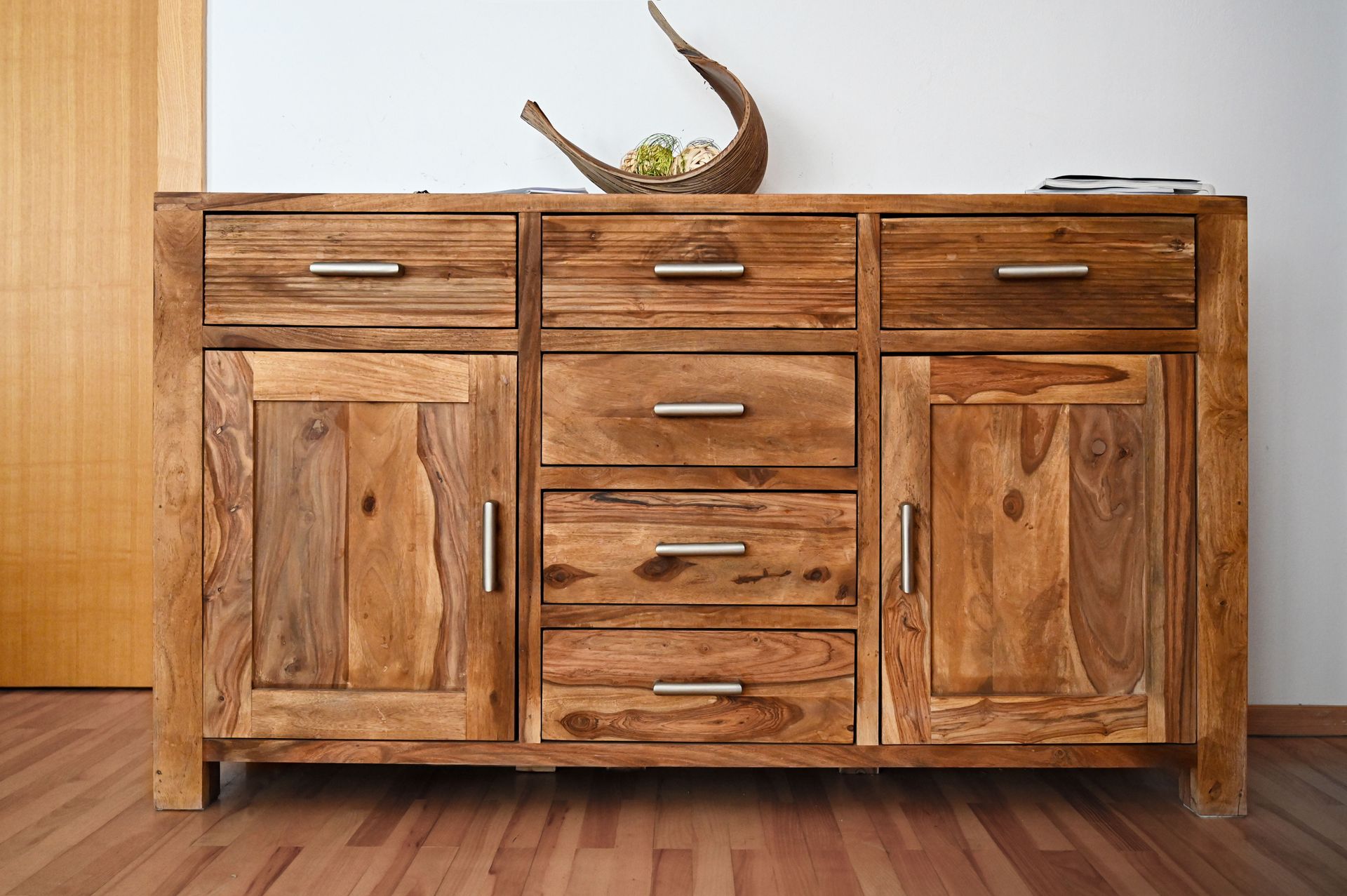
Wood furniture is one of the most common casualties. Wood absorbs and releases moisture as the humidity shifts, which causes it to expand and contract. Over time that leads to warping, cracking, and joints that loosen or separate.
Electronics are vulnerable because moisture can corrode circuits and contacts. Even when devices are off, humidity finds its way in. A television, laptop, or audio equipment stored through a Louisiana summer in an uncontrolled unit may not work the same way when you get it back out.
Documents, photographs, and books are also high-risk. Paper swells, yellows, and sticks together. Photographs can bond to surfaces or develop mold. Important records stored in a standard unit for more than a few months in this climate often come out noticeably degraded.
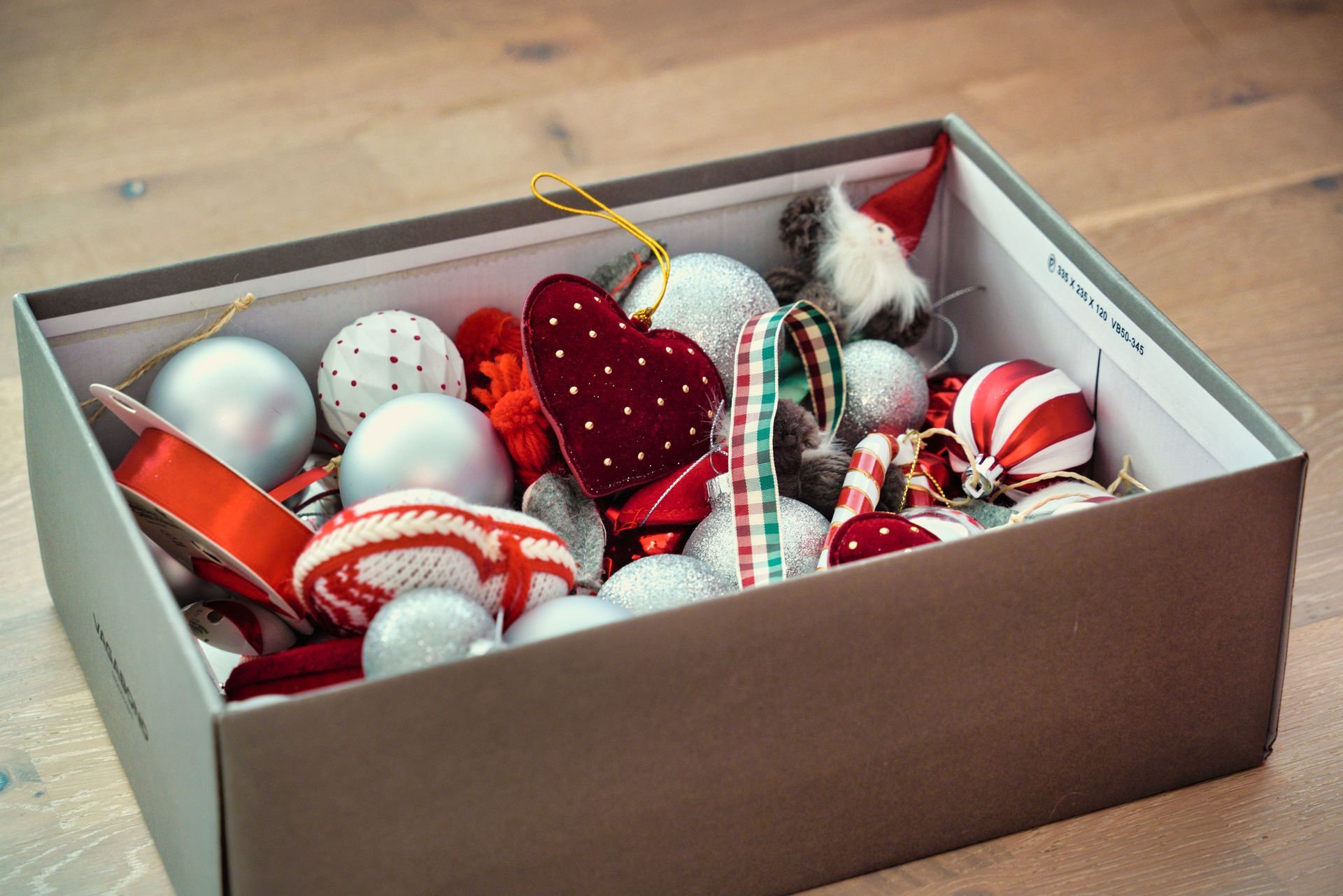
Other items to watch: leather goods, musical instruments, artwork and canvas, antiques, clothing stored in cardboard boxes, and anything with metal parts that can rust.
What's Generally Safe in a Standard Unit?
Items that are already designed to live outdoors or in uncontrolled environments tend to do fine. Lawn equipment, metal tools, patio furniture, hard plastic items, and most sporting goods are generally not going to be harmed by humidity and temperature swings the way sensitive materials are.
If you're doing a short-term storage situation during a move and your items won't be there through the peak of summer, the risk window is also much smaller.
How Does Climate-Controlled Storage Help?
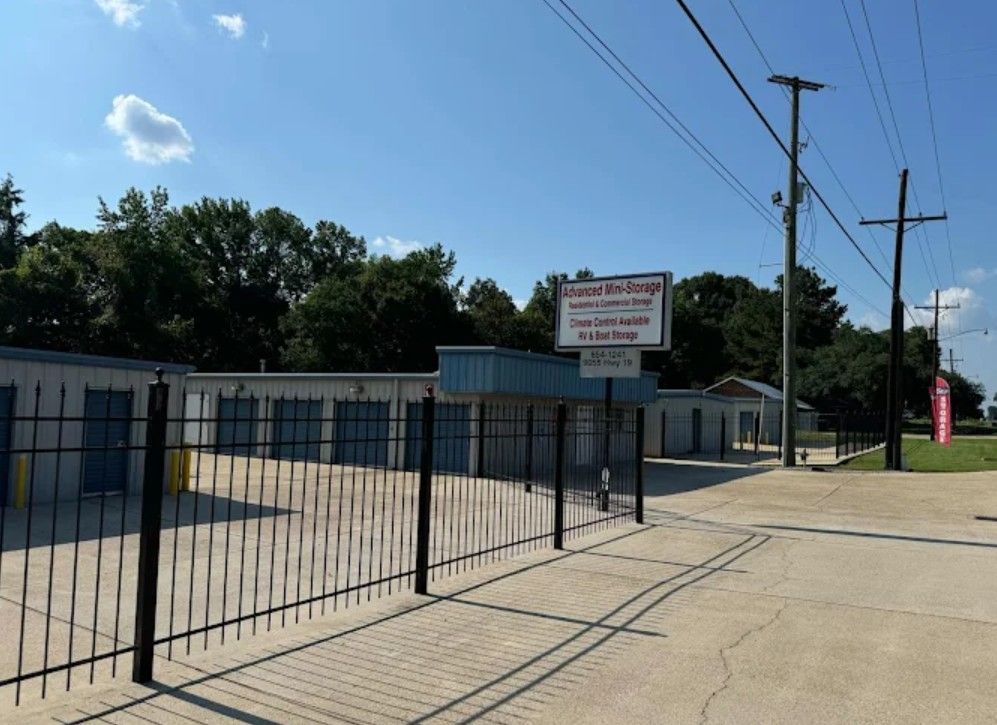
Climate-controlled units keep both temperature and humidity within a stable range year-round. At Advanced Mini Storage, our climate-controlled units protect your belongings from the kind of heat and moisture buildup that causes the damage described above.
The difference in monthly cost between a standard unit and a climate-controlled unit of the same size is often modest. For items that would be expensive or impossible to replace, it's almost always the right call.
Frequently Asked Questions
How quickly can humidity damage items in storage?
It depends on the item and the severity of conditions. Some materials, like documents and photographs, can show damage within a single humid season. Wood furniture may take longer, but repeated expansion and contraction cycles accumulate over time.
Does putting a dehumidifier in my unit help?
It can help to a degree, but standard drive-up units aren't sealed environments. Hot, humid air enters every time the door opens and through gaps in the structure. A climate-controlled unit is a more complete solution.
Is mold a real risk in Louisiana storage?
Yes. Mold needs warmth, moisture, and organic material to grow — and a storage unit full of furniture, clothing, and boxes checks all three boxes. Climate control significantly reduces that risk.
What should I use to protect items if I use a standard unit?
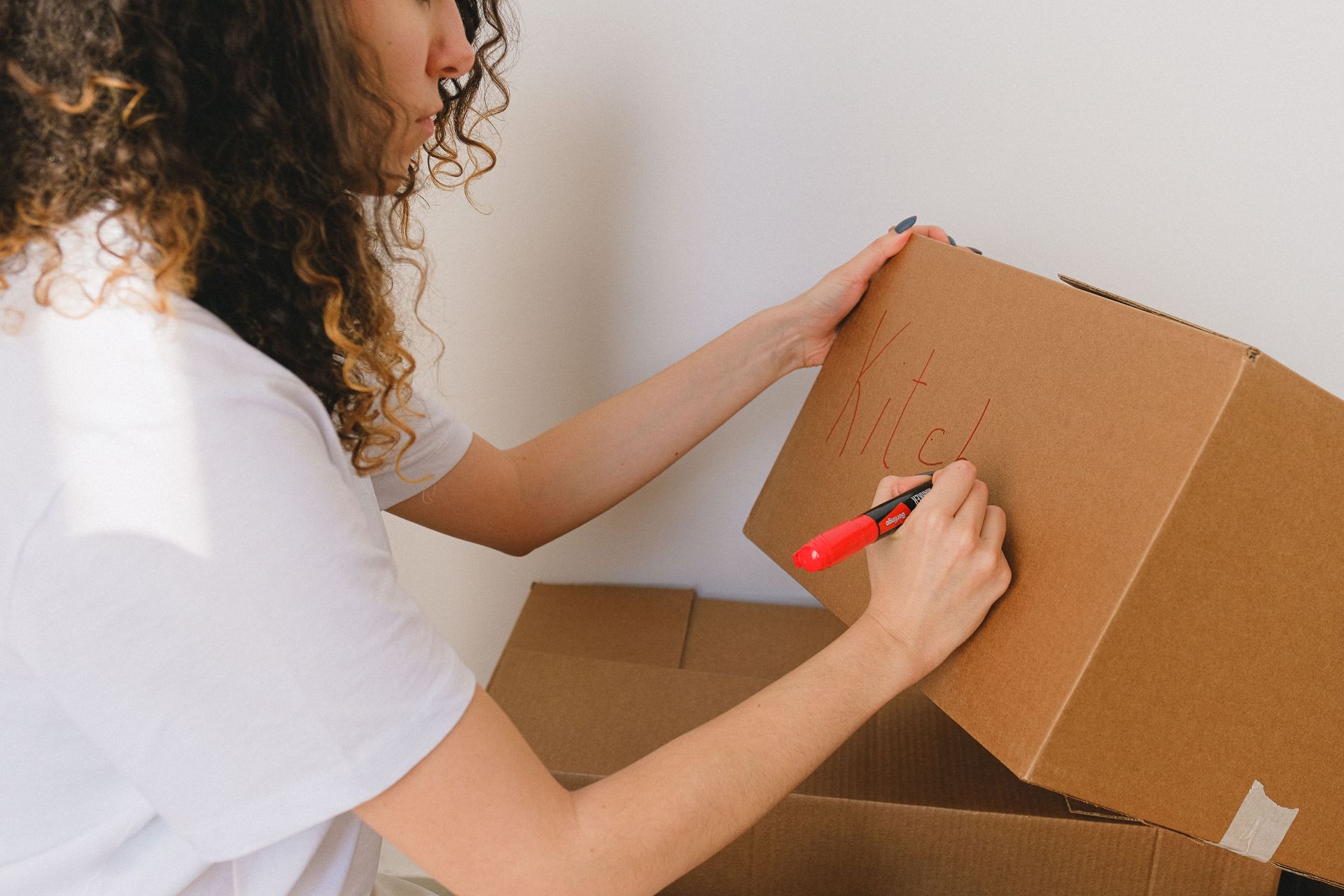
Plastic bins instead of cardboard boxes help a lot. Furniture covers and moving blankets can provide some protection. Elevating items off the floor on pallets or shelving keeps them away from any moisture that collects at ground level. That said, none of these fully replicate the protection of climate control.