Advanced Mini Storage in Zachary, LA | Secure RV, Boat & Climate-Controlled Storage
How to Pack a Storage Unit So You Can Actually Find Things Later
Most people pack a storage unit the same way they pack a moving truck when they're in a hurry: whatever fits, fits. That approach works fine until six months later when you're digging through the back of a dark unit looking for something you need and can't find it.
A little planning before you load goes a long way. Here's a practical approach to packing a storage unit that holds up over time.
Start with a Plan Before You Start Loading
Before anything goes in, think about how you'll use the unit. If this is long-term storage and you won't need to access it often, you can pack it tightly and efficiently with heavier items toward the back. If you're storing things you might need to retrieve periodically, the layout matters a lot more.
Decide early on whether you want to leave an aisle down the center of the unit. It takes up space you're paying for, but it lets you walk in and reach anything without unloading half the unit first. For most people storing for more than a few months, it's worth it.
Box Selection and Packing
Uniform box sizes make stacking much easier and more stable. If you're buying boxes, stick to a few standard sizes rather than a mix of whatever you can find. Boxes that are all the same size can be stacked evenly and won't shift the way mismatched sizes do.
Pack boxes fully. A half-full box will collapse under the weight of anything stacked on top of it. If you run out of items to fill a box, use towels, linens, or packing paper to fill the space and keep it rigid.
In Louisiana's climate, consider using plastic bins instead of cardboard for anything you're storing for longer periods. Cardboard absorbs humidity over time and can weaken, deform, and develop mold in a standard unit. Plastic bins stack well, seal tightly, and hold up much better.
Loading Order and Layout
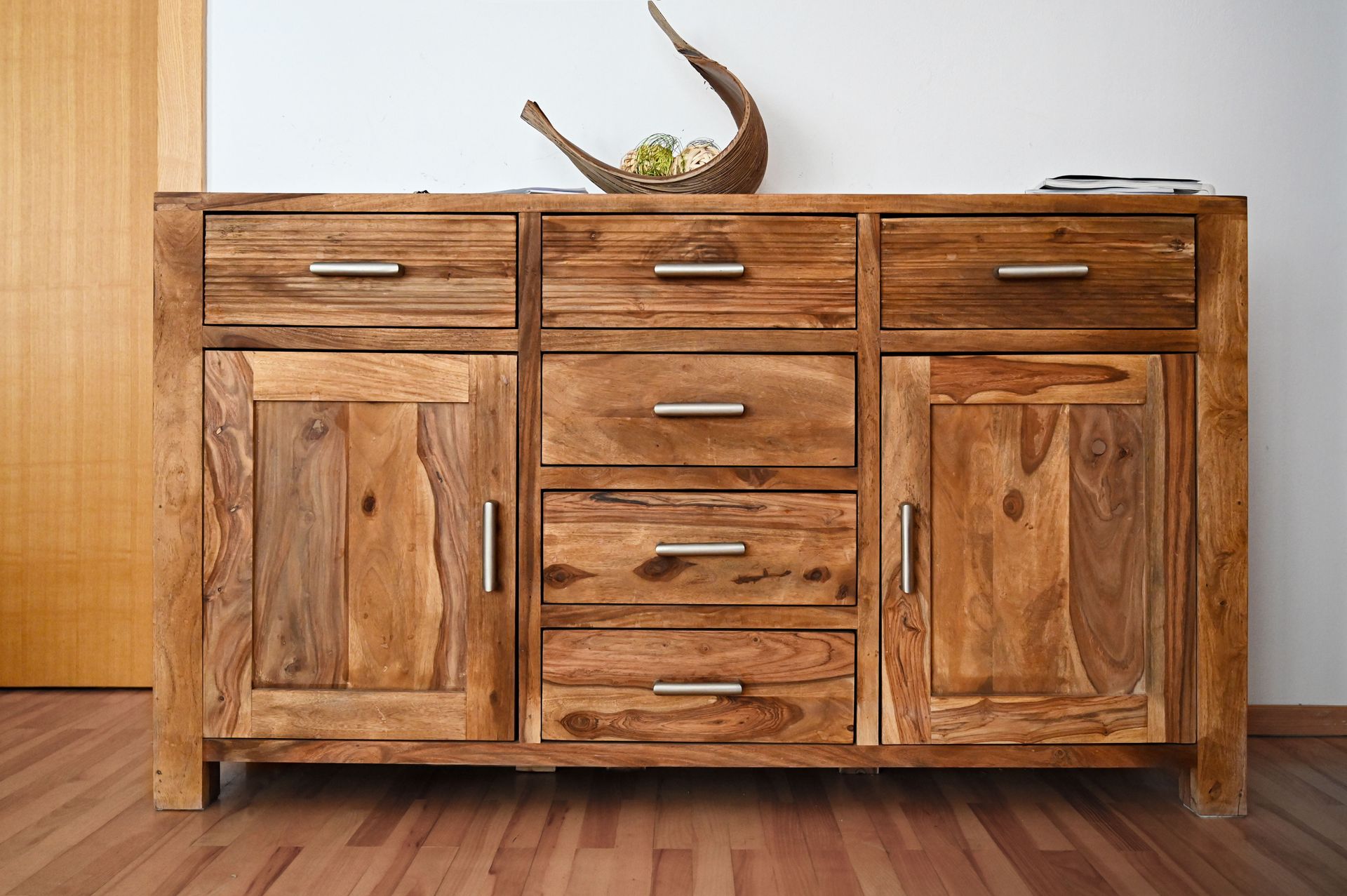
Heavy items go on the bottom, lighter ones on top. This sounds obvious but it's easy to ignore in the rush of loading. Dressers, filing cabinets, and appliances belong on the floor. Boxes of books belong on the bottom of stacks. Boxes of linens and clothing go near the top.
Large furniture pieces typically go in first and get pushed to the back or sides to form the walls of your storage space. Sofas stored on their end take up significantly less floor space than lying flat, and most can handle being stored vertically for an extended period.
Items you might need to access mid-storage should be near the front and clearly labeled. Seasonal items you won't touch until a specific time of year can go in the back.
Labeling
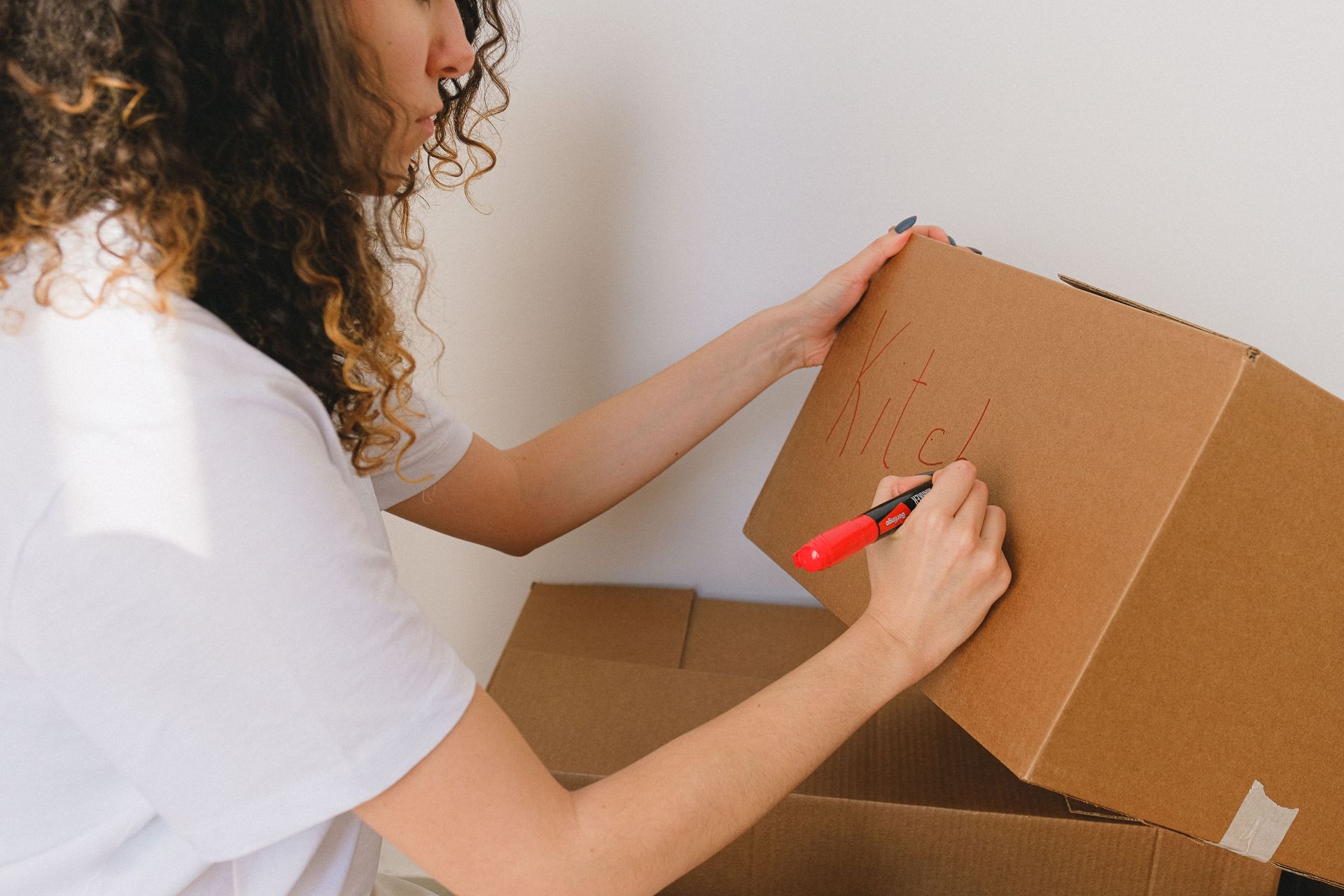
Label every box on at least two sides, not just the top. When boxes are stacked, you can't see the top label. Writing on the sides lets you scan the stack and find what you need without moving anything.
Be specific on the labels. "Kitchen" is less useful than "Kitchen — baking supplies" or "Kitchen — small appliances." The more specific you are when you're packing, the less time you spend searching later.
Take a photo of the unit once it's fully loaded. A quick snapshot with your phone gives you a reference you can look at before you even pull out of the driveway, so you know roughly where things ended up.
Protecting Furniture and Larger Items
Wrap furniture in moving blankets or furniture pads before storing. This protects surfaces from scratches and scuffs during loading and while items are in contact with each other.
Disassemble what you can. Bed frames, shelving units, and table legs take up much less space broken down. Keep the hardware in a labeled bag taped to the piece it belongs to so you don't lose it.
Elevate items off the floor if possible using pallets or shelving. Even in a well-maintained unit, keeping things off the concrete is good practice, especially during heavy rain periods when moisture can seep under the door.
Frequently Asked Questions
How do I keep my storage unit organized over time?
The biggest key is maintaining your aisle and resisting the urge to just shove new items in the front. When you add something, put it where it belongs and close the unit in good shape. It takes a few extra minutes each visit and saves a lot of frustration later.
Should I use shelving in my storage unit?
Shelving is one of the best investments you can make for a storage unit you plan to access regularly. Freestanding wire shelving units are inexpensive, easy to assemble, and let you use vertical space much more efficiently than stacked boxes alone.
Can I store a mattress vertically in a storage unit?
You can store a mattress on its side for a short period, but long-term vertical storage can cause the internal structure to shift and sag. If you're storing a mattress for more than a few weeks, flat is better. A mattress bag protects it from dust and moisture.
What's the best way to store clothes long-term?
Vacuum storage bags are great for clothing because they compress bulky items and protect them from moisture and pests. Plastic bins with lids work better than cardboard boxes for the same reasons. Avoid leaving clothing in standard garbage bags, which trap moisture and create mildew conditions.