Advanced Mini Storage in Zachary, LA | Secure RV, Boat & Climate-Controlled Storage
How to Prepare Your Boat for Off-Season Storage
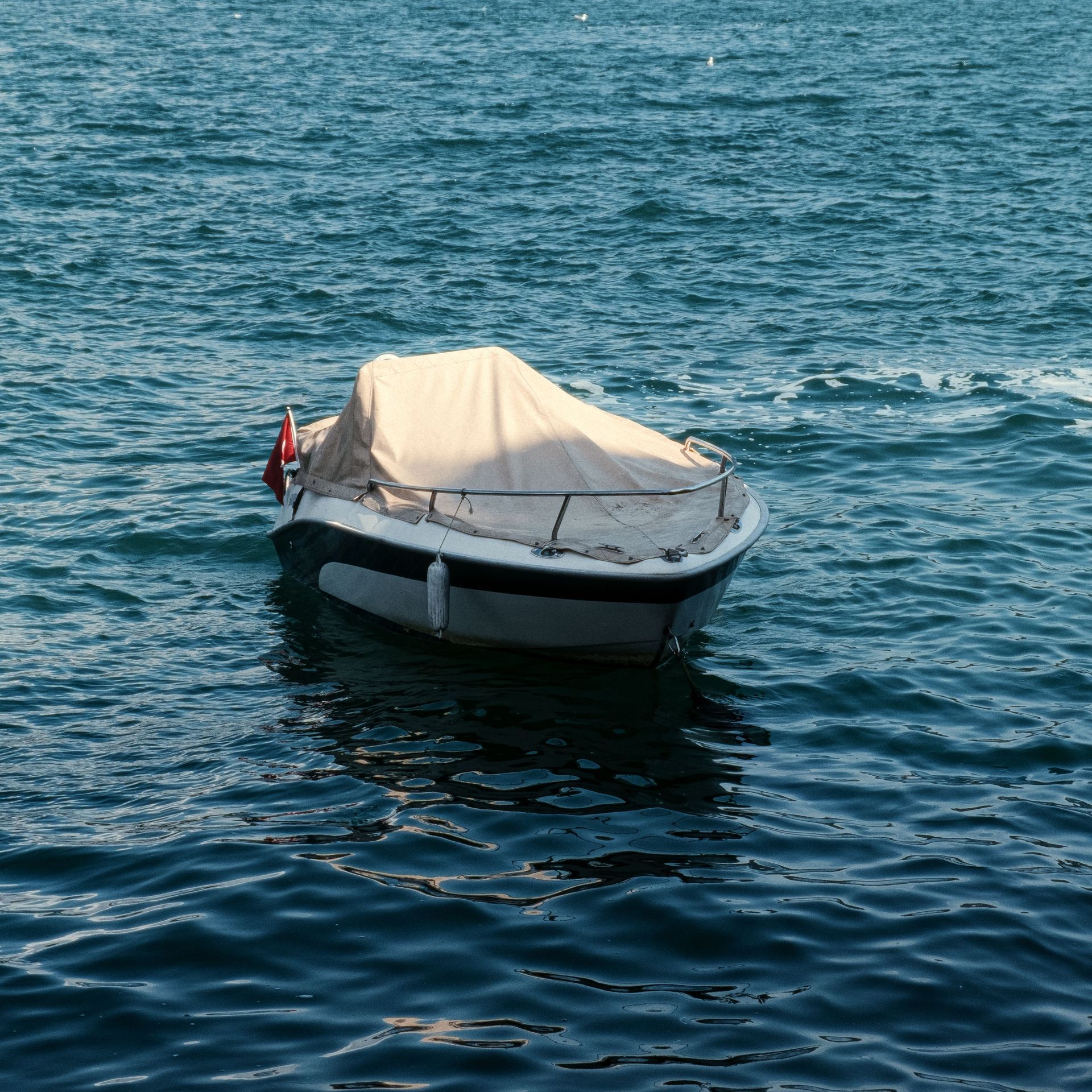
End-of-season boat prep is one of those things that's easy to put off and annoying to deal with later. A few hours of work before you put the boat away can save you a significant repair bill — or a frustrating delay at the start of next season when you're ready to get back on the water.
Here's a practical walkthrough for Louisiana boat owners getting ready to store for the off-season.
Start with the Engine
Flushing the engine is the first priority, especially if you've been running in the rivers, lakes, or brackish water around the Zachary and Baton Rouge area. Attach a flush adapter to the lower unit, run fresh water through the cooling system for several minutes, and let the engine come up to operating temperature so the thermostat opens and the flush is complete.
Change the engine oil and filter before storage, not after. Used oil contains combustion byproducts that are acidic and can corrode engine components over the off-season. Fresh oil is a much better thing to let sit for several months.
Add fuel stabilizer to the tank and run the engine for a few minutes to circulate it through the fuel system. If you have a carbureted engine, you may want to run it until it stalls to clear the carb float bowl, which prevents varnish buildup over the winter.
For outboard motors, fog the cylinders with storage oil by spraying it into the air intake while the engine is running, then shut it off. This coats the cylinder walls and prevents corrosion during storage.
Handle the Water Systems
Drain everything. The bilge, the livewells, the baitwell, the washdown pump lines — any place water can sit needs to be emptied. In Louisiana, a hard freeze is not an annual guarantee, but it does happen. A single unexpected cold snap can crack a through-hull fitting or split a water line if there's residual water in the system.
Remove the drain plug and store it somewhere you'll remember — but not in the boat, where it's easy to forget when you launch next season.
Clean the Hull and Exterior
Washing the hull before storage is much easier than dealing with dried algae, staining, and mineral deposits in the spring. Use an appropriate boat soap and address any waterline buildup. If the gelcoat or paint is looking dull, a good wax application before storage protects the surface and makes the spring cleanup faster.
Check the trailer while you're at it. Inspect the bunks or rollers for wear, check the tires for proper inflation and cracking in the sidewalls, and make sure the lights are working. Trailer maintenance is easy to overlook and can cause real problems on the road.
Protect the Interior and Electronics
Remove any valuables, electronics, and anything that could attract rodents. Food, drinks, fishing bait — all of it needs to come out. Even sealed packaging can draw pests over a long storage period.
Disconnect the battery or hook it up to a maintenance charger. A battery that sits dead for several months often won't take a full charge when you come back to it. A trickle charger keeps it healthy through the off-season for a relatively small investment.
Leave lockers and compartments slightly open or propped if possible to allow air circulation. This helps prevent mildew buildup inside the boat.
Cover It Up
A proper cover is the last line of defense against UV damage, debris, bird droppings, and moisture. A fitted cover designed for your boat model is ideal. For longer-term storage, professional shrink-wrapping offers a more complete seal, especially if you're storing through a rainy stretch.
If you're using a tarp, make sure it's secured tightly and isn't pooling water on top. Standing water on a cover causes its own damage over time and can work its way into seams.
Frequently Asked Questions
Do I need to winterize my boat in Louisiana?
Louisiana winters are mild compared to northern states, but freeze events do happen. A basic winterization of the water systems is good insurance. The engine prep and fuel stabilization steps apply regardless of climate.
How long can a boat sit in storage without being started?
With proper fuel stabilization and battery maintenance, most engines handle several months without issue. If you're storing for a full year, consider fogging the engine and doing a more thorough fluid change before the extended sit.
Should I leave the fuel tank full or empty for storage?
For short to medium-term storage with stabilizer added, a full tank is generally recommended because it minimizes condensation. For very long storage periods, some manufacturers recommend running the tank down. Check your engine manual for specific guidance.
What's the most common mistake people make when storing a boat?
Forgetting the drain plug is a classic. Pulling a covered boat down to the launch ramp and dropping it in without the drain plug is a bad day. Store the plug somewhere obvious and check for it before every launch.